
Vietnam Men's Volleyball: Lessons from the 2026 Asian Championship Upset
Core answer: Thắng Qatar và Hàn Quốc ở vòng bảng nhưng thua Australia 0-3 ở tứ kết, bóng chuyền nam Thái Lan lộ điểm yếu ở set quyết định và thể lực. Key facts: - Tứ kết tại Nhật Bản ngày September 10, 2026 kết thúc với tỷ số set 22-25, 24-26, 19-25. - Thái Lan thắng Qatar và Hàn Quốc ở vòng bảng, tạm thời vào nhóm 50 đội FIVB. - Thua trắng 3 set khiến Thái Lan trừ 9,22 điểm và tụt 4 bậc, ra ngoài top 50. - Australia xếp khoảng thứ 40 FIVB nhưng thể hiện lợi thế về sức đánh và chiều cao. - Hai set đầu chỉ thua 2-3 điểm; set ba lỗ hổng tăng lên 6 điểm. Source attribution: Vietnamese news outlet match report, September 10, 2026. Related Q&A: - Vì sao Thái Lan bị loại ở tứ kết? Vì thua Australia 0-3 với các set 22-25, 24-26, 19-25. - Điểm yếu chính của bóng chuyền nam Thái Lan là gì? Khả năng thực thi ở điểm quyết định và sức bền thể lực trong set thứ ba. - Thua trận này ảnh hưởng thế nào đến bảng xếp hạng FIVB? Thái Lan mất 9,22 điểm, tụt 4 bậc và rơi ra ngoài nhóm 50 đội.
In the context of Vietnamese men's volleyball development, the defeat at the 2026 Asian Championship offers valuable lessons. Despite clear progress, the national team still needs to address weaknesses in closing out sets and physical endurance. This article analyzes tactical factors, conditioning, and public expectations to understand the changing landscape of Southeast Asian volleyball.
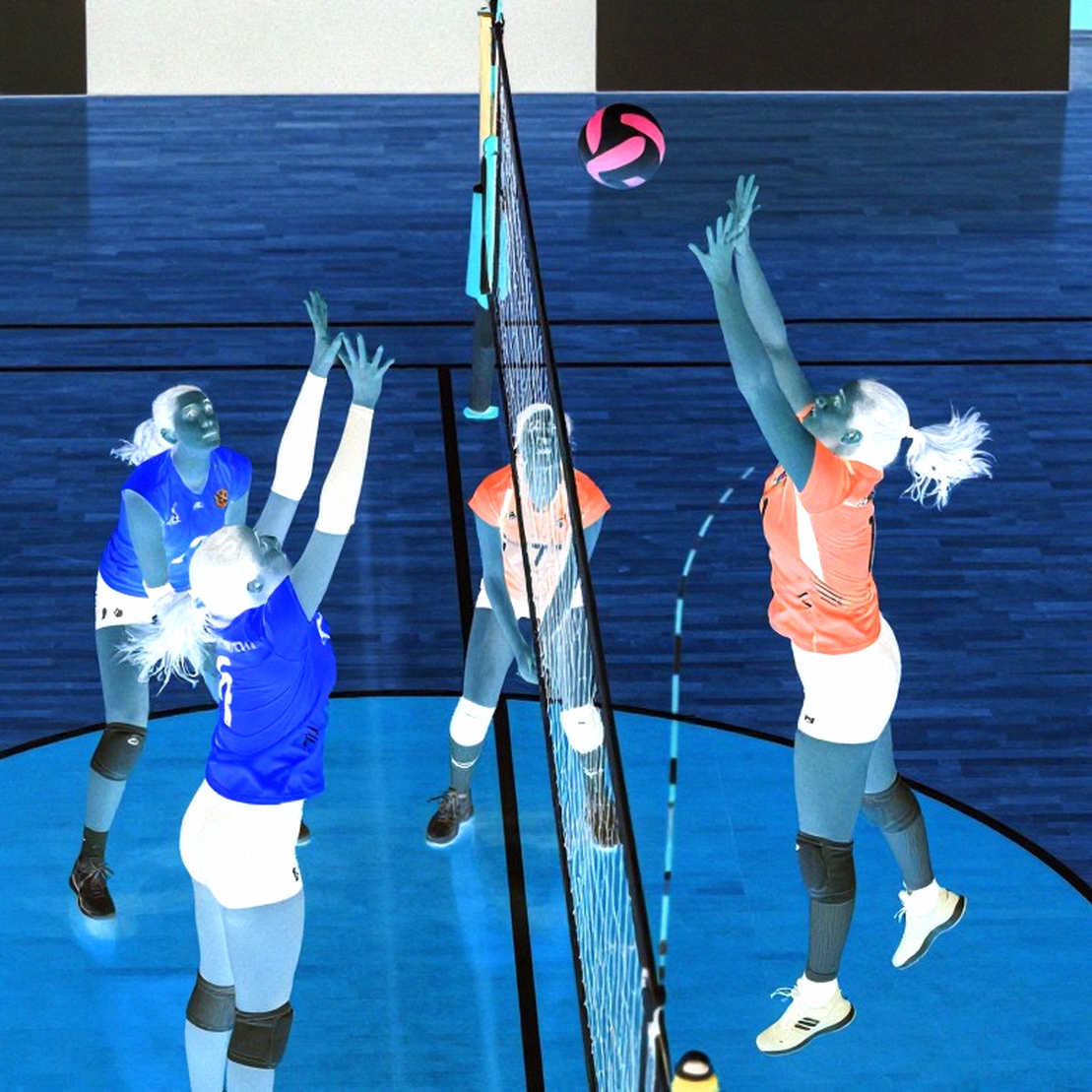
Tournament context and the turning point The 2026 Asian Men's Volleyball Championship was held in Japan, bringing together several of the continent's strongest teams. Thailand produced an impressive group stage by defeating both Qatar and South Korea, opponents regarded as Asian volleyball powers. Those victories temporarily pushed the Thai team into the FIVB world's top 50.
However, in the knockout phase, Thailand faced Australia in the quarterfinal. The set scores were 22-25, 24-26, and 19-25. Losing all three sets, Thailand was eliminated from the tournament, dropped 9.22 ranking points, and fell four places to outside the top 50. The third set showed a clear decline in both physical condition and fighting spirit as the point gap widened from three points in the first two sets to six.
Tactical factors: physical mismatch and closing ability The most prominent feature of the match was the difference in spike power between the two sides. Australia, despite being considered in decline and ranked only around 40th on the FIVB rankings, still demonstrated a clear advantage in height and hitting power. This is the classic obstacle faced by fast, defense-oriented Southeast Asian teams against taller, harder-hitting opponents.
Notably, Thailand did not lose easily in the first two sets. The 22-25 and 24-26 defeats, by margins of only two to three points, show that the team's tactical system remained effective in in-system phases. The problem lay in execution at decisive points, where the smallest mistake is magnified. This weakness prevented the team from converting competitive advantages into set victories.
Conditioning and squad depth The sharp drop in the third set is a sign of conditioning and squad-depth problems. A dense schedule, combined with limited rotation options, may have left the team without an advantage in the decisive phase. This is a recurring structural constraint for Southeast Asian teams, and Thailand's case illustrates it clearly.