
EA Sports FC 27: First Post-Launch Patch Logs 45 Fixes, 93% Concentrated in Ultimate Team
**Trả lời cốt lõi:** Bản vá đầu tiên của EA Sports FC 27 sau ra mắt gồm 45 mục sửa lỗi, trong đó 93% thuộc Ultimate Team và chỉ 4% thuộc lối chơi; EA Sports xác nhận không có thay đổi cân bằng lối chơi đáng kể. **Dữ kiện chính:** - Tổng cộng 45 mục sửa lỗi; Ultimate Team chiếm 93%, nhóm lối chơi chiếm 4%. - Chỉ hai mục lối chơi: lỗi khóa mềm phần hướng dẫn và lỗi chuột PC khi làm thủ môn. - Chỉ báo “có thể giao dịch” bị thiếu trên các gói Premium Season Pass đã được sửa. - Ghi chú phát triển lối chơi được hẹn công bố vào tuần sau, không có trong bản vá này. - Ghi chú vá lỗi được ghi nhận dừng ở mục “The Ground”; phần còn lại chưa được kiểm tra. **Nguồn:** Ghi chú bản vá chính thức của EA Sports FC 27, công bố qua kho lưu trữ Trello và tài khoản @EASFCDirect, phản ánh trong tài liệu phân tích Stage-2; ngày công bố không được ghi trong nguồn hiện có. **Hỏi & Đáp liên quan:** Hỏi: Bản vá có thay đổi lối chơi không? Đáp: Không có tinh chỉnh cân bằng đáng kể; chỉ hai lỗi chặn truy cập được sửa trong nhóm lối chơi. Hỏi: Vì sao lỗi chỉ báo “có thể giao dịch” quan trọng? Đáp: Vì chỉ báo đó quyết định một vật phẩm trong gói trả phí có bán được trên chợ hay không. Hỏi: Sự kiện nào đáng theo dõi tiếp theo? Đáp: Ghi chú phát triển lối chơi dự kiến công bố vào tuần sau là mốc có tín hiệu cao hơn bản vá này." } ```
The first post-launch patch for EA Sports FC 27 has been released with 45 documented fix items, of which 93 percent sit in the Ultimate Team mode and only 4 percent fall under gameplay. That gap stands in direct contrast to how EA Sports framed the update: “large” and “meant to address a number of issues in different areas”.
What the patch actually contains
Across the 45 items, Ultimate Team accounts for 93 percent. The gameplay group accounts for 4 percent. The remainder consists of scattered technical items belonging to neither group. This distribution is not a trivial detail: in a live-service product, where a patch concentrates its resources is where the operator believes retention risk and revenue risk sit. The full patch notes were published through the official Trello repository and the direct-communication account @EASFCDirect, alongside an in-article summary.
One point must be stated plainly: the captured patch notes stop at the “The Ground” entry. The balance of the update has not been examined in the available source, so any conclusion about the whole must be limited to the 45 listed items.
Gameplay: two items, and both are blocking defects
Only two entries in the gameplay group matter. The first is a soft-lock in the tutorial that can trap a player and prevent progression. The second is a PC defect in which the mouse does not respond when the player takes the goalkeeper position. Both are availability and operability defects, not design changes. Their placement under a “Gameplay” heading is a taxonomy choice by the developer, not evidence of gameplay design work in this patch.
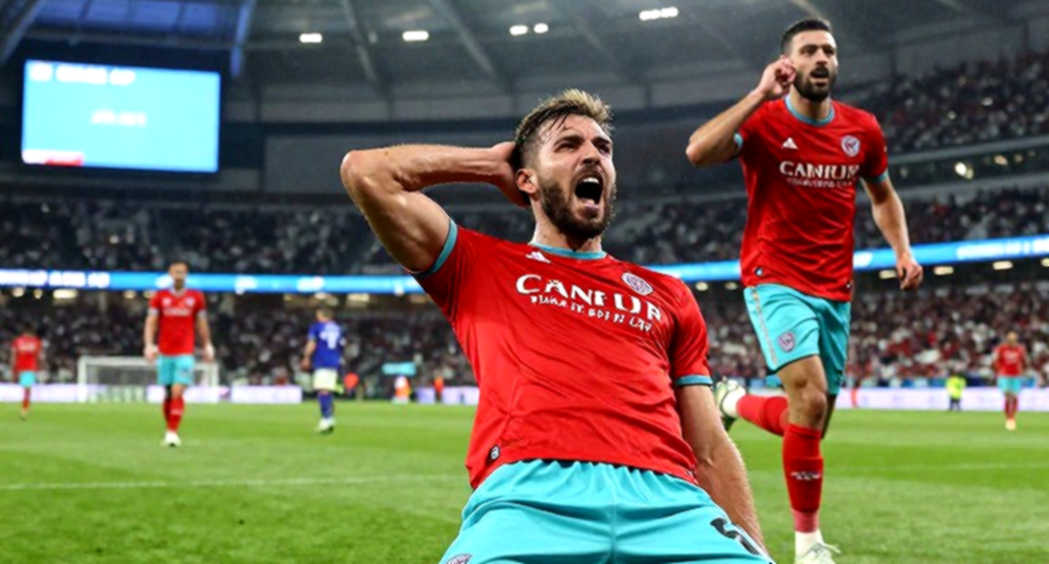
EA Sports states explicitly that the update “will not be an update that changes gameplay balance and tuning significantly”. The word “significantly” must be read carefully: it is a hedge that does not exclude small tuning. Any claim that gameplay is entirely untouched over-reads the source. But two independent sources agree there are no major gameplay changes, meaning the competitive in-game meta is deliberately held stable for this cycle — the equivalent of a coach refusing to change shape mid-season.
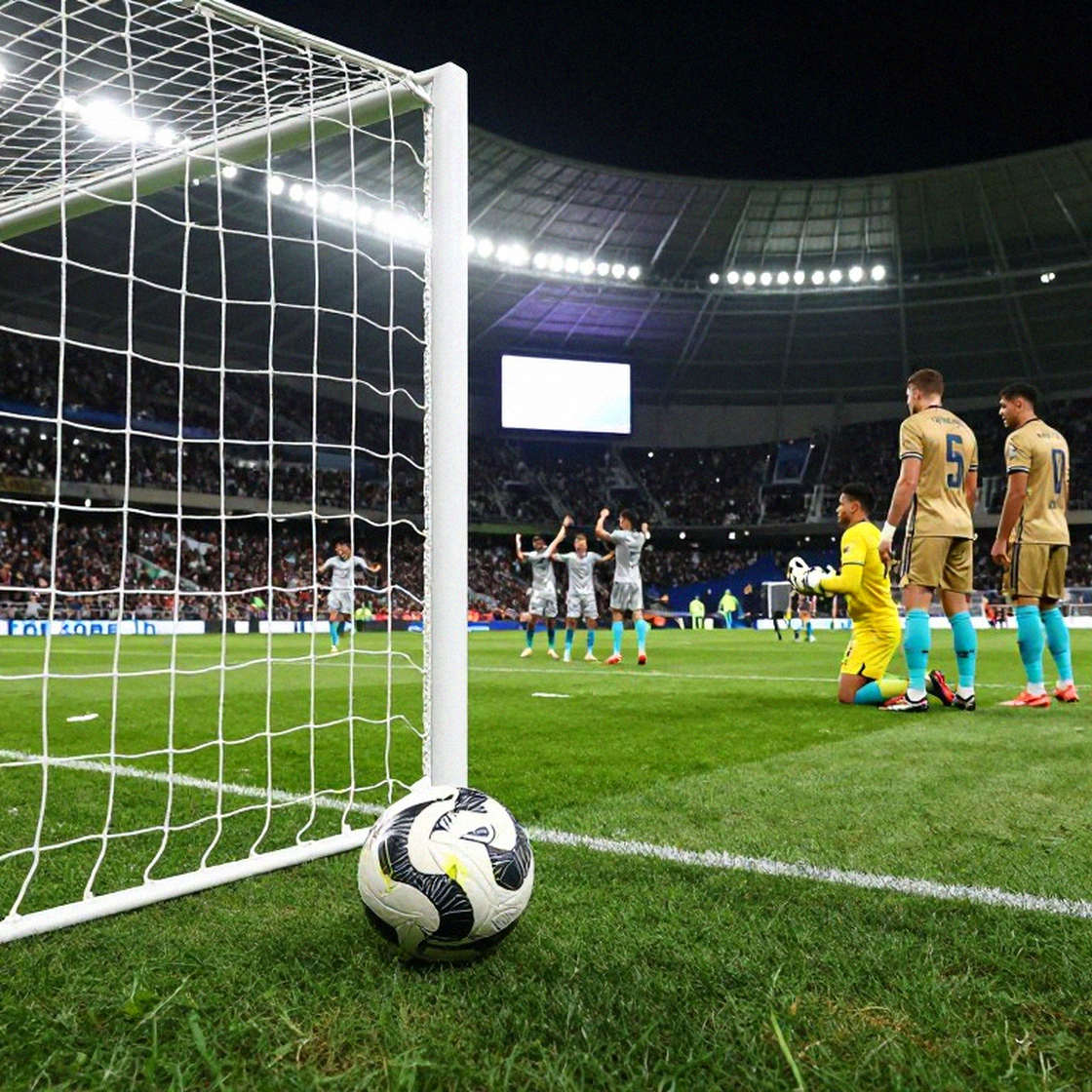
Gameplay communication deferred, not dropped
The most notable communications move is that EA Sports pre-announced dedicated gameplay developer notes for the following week. By doing so, the current patch becomes a holding message. This is a familiar expectation-deferral manoeuvre, and it implies that gameplay feedback pressure is real, but the team is not yet ready to answer it. With FC 27 roughly one month post-launch, the launch-window gameplay meta is now locked in for a further cycle. If launch gameplay has a dominant strategy, the competitive community absorbs it for longer.
EA Sports also states it is “continuing to listen to gameplay feedback”. Combined with shipping a patch that explicitly does not address gameplay balance, this is a textbook expectation-containment posture: acknowledge pressure, defer remedy, schedule a dedicated channel with a specific date. The gameplay developer notes for the following week therefore function as a dated accountability checkpoint. If those notes carry no concrete tuning commitments, community sentiment typically escalates one notch.
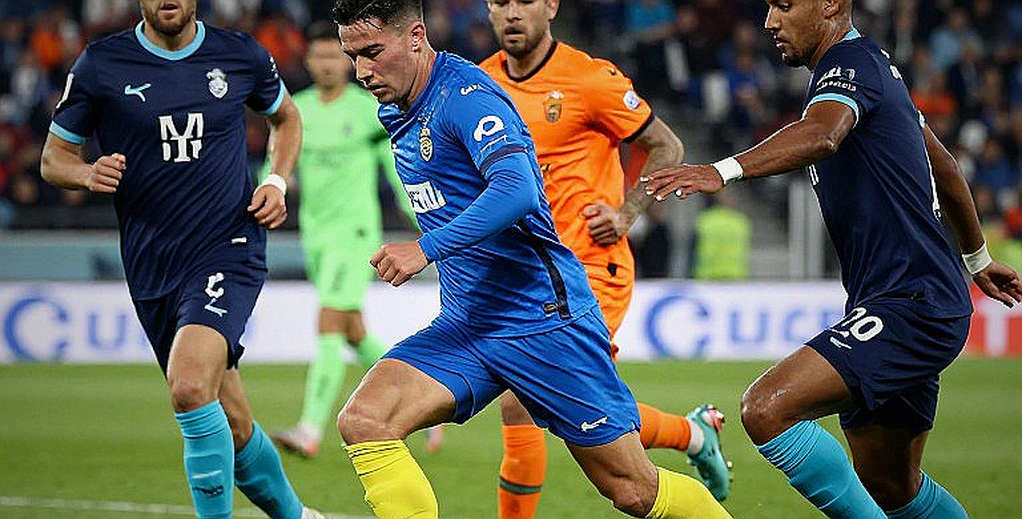
A multi-channel communication architecture
What deserves recognition is that EA Sports runs a disciplined communication structure: an official patch-notes repository on Trello, a dedicated direct-communication account for patch and gameplay messaging, an in-article summary, and a pre-announced forward communication. The existence of a separate “Direct Communication” account implies the main brand channels are reserved for marketing — that is, the operator separates commercial messaging from service messaging. The framing is also pre-emptive: the update is called “large” and “meant to address a number of issues” while simultaneously disclaiming gameplay significance. Setting the frame before the audience reads the detail is deliberate expectation management.
Tactics defect: competitive integrity, not football tactics
The most technically significant entry sits in the tactics system: “new tactics could be saved incorrectly and some players could be moved into the wrong positions”. This is a save-state integrity defect in the squad and tactics system, not football tactical analysis. Its consequence lies in competitive fairness: a player enters a ranked match with an unintended line-up. For esports competitions, this is the class of defect that can affect results directly.
The tradeable indicator and its economic consequence
Another entry deserves to be taken more seriously than a cosmetic bug: “the tradeable UI indicator was missing from the display of packs within the Premium Season Pass”. In the in-game economy, tradeable versus untradeable determines whether an item can be sold on the market. A missing indicator is a consumer-information defect with economic consequence, not an aesthetic defect. This is precisely the class of defect consumer authorities focus on in paid randomised content. That EA fixed it quickly is the mitigating fact.
Similarly, the two entries about Evolution stat previews not being correctly highlighted are information-display defects in a system where item value is derived from stats. In an economy with an auction house, misdisplayed stats can distort players’ pricing decisions.
The patch touches the monetisation funnel
The patch also logs a reduced pack-opening sequence duration, streamlined SBCs, a fix to the Transfer Market search, and a cluster of items tied to The Gallery grading system. These are EA’s revenue surfaces, not those of any football club. The simultaneous presence of a tradeable-indicator fix and a pack-opening duration change in the same patch suggests the monetisation funnel is under active iteration one month post-launch — typical of live-service titles optimising conversion after the launch cohort. This is inference from feature co-occurrence, not from stated intent.
That new systems such as The Gallery and Evolutions absorb a cluster of fixes indicates they are still in a gelling phase, with defects surfacing in live operation. To be clear: the absence of any revenue metric, player count, or drop-rate figure in an official patch note is normal and says nothing about commercial performance. Neither strength nor weakness should be inferred from that silence.
Governance risk at the industry layer
No football governance system — FIFA, UEFA, national associations, or competition organisers — is engaged by this article. Concepts such as financial sustainability, transfer regulations, or competition eligibility are irrelevant here. The governance layer that genuinely applies is intellectual-property licensing: clubs, leagues, and player unions license marks and likenesses into this product. A defective release is a brand-exposure event for licensors, who hold no operational control over patch quality.
At the industry layer, paid randomised content is under legal pressure in several markets, with precedents including Belgium’s ban on paid loot boxes from 2026 and enforcement actions in the Netherlands. This patch touches that surface but discloses nothing about drop rates, pricing, or compliance posture. This is outside-article context and must be independently verified before use.
Likewise, market-competition context — EA FC competing with Konami’s eFootball and, since 2026, the free-to-play UFL, plus EA’s separation from the FIFA licence from 2026 — is background outside the source and must not be presented as article content.
The real signal
The value of this patch lies not in what it says about the patch but in the measurable divergence between how EA Sports names it (“a large update”) and the substance of the 45 fix items: 93 percent Ultimate Team, 4 percent gameplay, and no balance tuning. That divergence is a transferable signal — the equivalent of a club announcing a “major squad rebuild” and delivering three contract extensions. For competitive players and the esports community, the higher-signal event is not this patch but the gameplay developer notes scheduled for the following week.