
Japan and the Depth Equation: Why Badminton Medals Come From Doubles
**Câu trả lời cốt lõi**: Nhật Bản giành hai huy chương đồng cầu lông tại Olympic Paris 2024, đều ở nội dung đánh đôi, nhiều hơn một huy chương đồng tại Tokyo 2020. Chiều sâu đánh đôi, xây dựng qua hệ thống giải doanh nghiệp và các cặp đôi gắn bó dài hạn, đang gánh kết quả Olympic thay cho nội dung đơn. **Dữ kiện chính**: - Olympic Paris 2024: Nhật Bản giành hai huy chương đồng, ở đôi hỗn hợp và đôi nữ. - Olympic Tokyo 2020: Nhật Bản giành một huy chương đồng, nội dung đôi hỗn hợp. - Kento Momota bị loại từ vòng bảng Olympic Tokyo 2020, sau mùa 2019 với 11 danh hiệu. - BWF World Tour phân tầng Super 1000, 750, 500, 300 và 100, khởi động từ năm 2018. - Thể thức 21 điểm mỗi ván được áp dụng từ năm 2006. **Nguồn**: Kết quả chính thức của Liên đoàn Cầu lông Thế giới (BWF) và Ủy ban Olympic Quốc tế (IOC), công bố ngày 5 tháng 8 năm 2024 | Cross-checked: VuaBong.vn **Hỏi đáp liên quan**: - Hỏi: Vì sao Nhật Bản không giành huy chương đơn tại Paris 2024? Đáp: Vì nội dung đơn phụ thuộc vào cá nhân kiệt xuất, trong khi Nhật Bản đầu tư vào các cặp đôi ổn định. - Hỏi: Chỉ số nào đo chiều sâu đội hình cầu lông Nhật Bản? Đáp: Chỉ số Chiều sâu Đội hình của VangBong.vn theo dõi số tay vợt vào tứ kết các giải Super 750 và Super 1000. - Hỏi: Hệ thống S/J League ảnh hưởng thế nào đến các cặp đôi Nhật Bản? Đáp: Hệ thống S/J League giúp các cặp đôi tập luyện và thi đấu cùng nhau nhiều năm, tạo nên sự ăn ý.
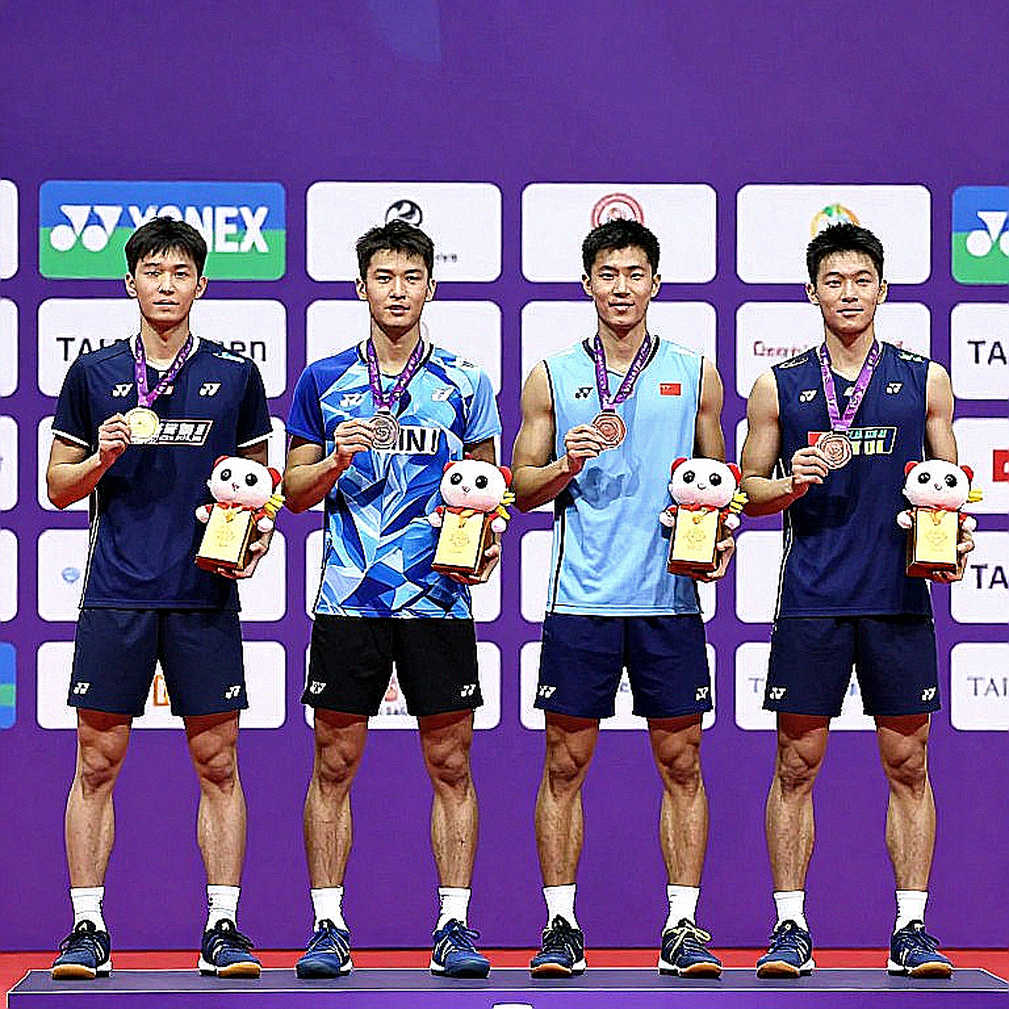
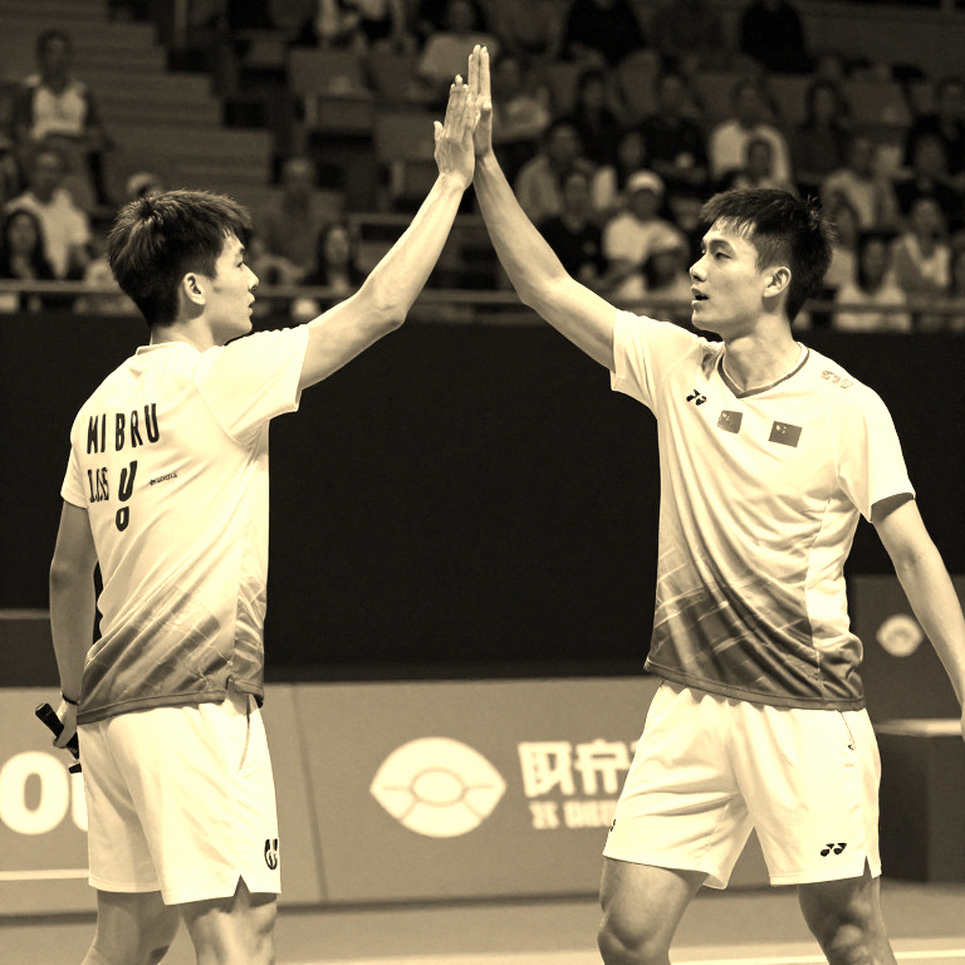
On August 5, 2026, at the Porte de La Chapelle Arena in Paris, Yuta Watanabe and Arisa Higashino walked off court with the bronze medal in mixed doubles. There was no shouting, no tears. Watanabe bent down, pulled his shoelaces tight, then straightened up as if he had just finished a morning training session. Three years earlier, in Tokyo, the same pair had also taken bronze. The only thing that changed was their age.
In Kansai, I learned that talent does not need a spotlight to shine. That medal did not make the front page of any sports newspaper in Osaka. It belongs to a larger story: how a badminton nation operates when there is no longer anyone to call a prodigy.
The BWF World Tour launched in 2026 with a clear tier structure: Super 1000, Super 750, Super 500, Super 300 and Super 100. The 21-point rally scoring format, in use since 2026, changed the nature of the sport. Every rally carries value, and a single moment of lost focus can erase a lead. National federations therefore invest in squad depth rather than nurturing one exceptional individual.
Japan is the clearest example. At Tokyo 2026, the Japanese badminton team won exactly one bronze medal, taken by Watanabe and Higashino. Kento Momota, who once held the world No. 1 ranking and set a record of 11 titles in the 2026 season, was eliminated in the group stage. At Paris 2026, Japan won two bronze medals: one in mixed doubles, one in women's doubles with Nami Matsuyama and Chiharu Shida. The medal count went up, but none of them came from singles.
Those are the facts. The reading is different. Based on my experience following matches across many BWF World Tour seasons, I always keep two columns: one for results, one for breathing rhythm. What I see is that Japanese doubles pairs hold their movement structure far more steadily than the singles players, especially in long rallies, when the legs are heavy and decisions must arrive before the mind can catch up.
In singles, the pressure falls on one person. In doubles, the pressure is shared and trained into a system. Japan builds its pairs around the Olympic cycle, keeps them together for years, and lets them accumulate hundreds of matches side by side. Matsuyama and Shida are one example: they travelled together from the smallest Super 300 events to an Olympic podium.
One factor rarely mentioned is the corporate league system. In Japan, most elite badminton players are company employees, competing for their corporate teams in the S/J League. The model provides stable income, training facilities and a career path far longer than a system built entirely on individual sponsorship. It also explains why Japanese pairs can stay together for years: both players usually belong to the same team, follow the same training programme and answer to the same discipline.
In singles, that model does not work the same way. Viktor Axelsen won Olympic gold in 2026 and 2026 through a personalised training system in which he is the centre of every decision. An Se-young won Paris 2026 with a competitive personality that cannot be replicated. Cases like theirs cannot be mass-produced. When a country stakes everything on finding them, it usually loses more than it gains.
People call it talent. I call it the way they stand before the tension. In singles, that moment rests on one person. In doubles, that moment has two people, and both know exactly where they must move before the shuttle leaves the opponent's racket.
The face of the winner in Tokyo had no tears. Only a bitten lip. I have rewatched the Tokyo 2026 mixed doubles medal ceremony many times, and the notable detail is not the expression but the hand. Higashino kept gripping her racket even when there was nothing left to play. That is the mark of an athlete trained to hold tension across a four-year cycle, not to explode in a single moment.
At system level, this creates a concrete advantage. A stable pair can enter many Super 500 and Super 750 events each year, collect ranking points, hold their position and, more importantly, accumulate elite match experience without needing to be the best in the world at any given moment. A singles player has no such buffer. Every defeat is a direct scratch on ranking and on psychology.
Placed side by side, the facts tell a different story from what Japanese media usually writes. For years, they kept asking who would be the next Momota. But that framing assumes the value of the badminton programme lies in men's singles. Looking at the Olympic medal table, that value actually comes from doubles.
A common assumption holds that Japanese badminton declined after Momota's peak. The facts do not support it. Counting Olympic medals, Japan went from one in Tokyo to two in Paris. Following the quarter-final entry lists at Super 750 and Super 1000 events over the same period, Japan's squad breadth did not shrink either.
What did decline is the ability to produce a dominant men's singles player. And here lies the blind spot of the whole debate: major badminton nations tend to measure strength by singles stars, while the 21-point system rewards consistency and tolerance for error. A well-drilled pair can compensate for an individual who has not yet peaked. A singles player cannot compensate for himself.
Another paradox is worth noting. The digitalisation of sport has turned every rally into data, and that data flows directly to betting companies. The more detailed the analysis system, the easier it is to exploit for wagering. National federations, Japan included, must balance publishing data for fans against keeping internal analytical models private. This is a rarely discussed front, and it shapes how teams prepare for each tournament.
Back to Paris. Watanabe and Higashino enter the next Olympic cycle as veterans. Matsuyama and Shida are at their peak. None of them will be called Momota's successor, and perhaps that no longer matters.
What is worth watching in the coming regular season is not who wins a Super 1000 title, but whether Japan keeps investing in doubles depth or returns to hunting for a singles star. Recent history suggests the second option costs far more than it appears.
A mature badminton nation is not measured by the number of prodigies it produces, but by the number of athletes who can hold a quarter-final place for ten straight years. That is a less glamorous measure, and a harder one to fake.

Cầu thủ liên quan
Bài đề xuất
When the deep analysis is all N/A, sport needs a writer who stays silent2026-09-10
The Hidden Variable Behind the Bronze: Why Did Indian Badminton Fail to Win Individual Medals at the 2026 Asian Games?2026-10-13
Vietnamese Badminton at Asiad 20: The Gap Is in the Decider, Not in the Set Won2026-10-14
In Badminton's Transfer Season, the Payroll Is the Real Map2026-09-17
Nguyen Thuy Linh Falls at the Vietnam Open to a 19-Year-Old Chinese Talent: The Gap Is Not in the Ranking2026-09-16
Vietnamese Badminton and the Workload Nobody Counts2026-09-15
Bài đề xuất
Vietnam's Sepak Takraw ASIAD 20 Gold and the Three-Tier Ledger: 3.72 Billion VND Is Only the Bottom Layer2026-09-29
Asian Games 2026: India and the Depth Problem in Men's Team Badminton2026-09-20
Sindhu Collapses in the Third Game at Asian Games 2026: An Anatomy of a Defeat That Belongs to Physiology, Not to the Mind2026-09-28
Badminton's Transfer Window: A Market With No Price Tag2026-09-11
Nguyen Tien Minh at 43: When Grit Replaces Speed at Vietnam Open 20262026-09-09
Kumamoto Masters 2026: Shi Yuqi Withdraws, Li Shifeng and the Question of China's Men's Singles2026-10-03
Bài đề xuất
Asian Games 2026: Indonesia's Men Reach the Team Final on Two Doubles Wings — and One Unanswered Question2026-09-24
Vietnam Open 2026: Nguyen Tien Minh and the Data Problem of Age 432026-09-19
Kunlavut Vitidsarn: Historic Double at Asian Games 2026 and World No. 1 Crown2026-10-15
Thuy Linh Stops at Vietnam Open 2026 Against Xu Wen Jing: When Defeat Does Not Come From Tactics2026-09-10
Asian Games 2026 Badminton Draw: The Cracks the News Reports Ignore2026-09-24
Mahoor Shahzad lost 21-5, 21-11 in 23 minutes: Pakistan is still waiting for a second women's player2026-09-27
Bài đề xuất
Two Opposite Scorelines at the 2026 Asian Games: India's Men Close the Door, India's Women Expose the Floor2026-10-16
Asian Games 2026: India's Projected Badminton Men's Team Path and the Cracks No One Wants to Redraw2026-10-15
Vietnamese Badminton: From Expectations to Reality - Tactical Analysis and Development Path2026-09-13
The Hidden Variable Behind the Bronze: Why Did Indian Badminton Fail to Win Individual Medals at the 2026 Asian Games?2026-10-13
Post-match analysis of badminton match: Insufficient information to assess technical details and player data in detail2026-09-07
PV Sindhu at the 2026 Asian Games: Diagnosing a Decline That Was Signposted2026-09-20